
Botanical cosmetic ingredients, oils, powders, and waxes
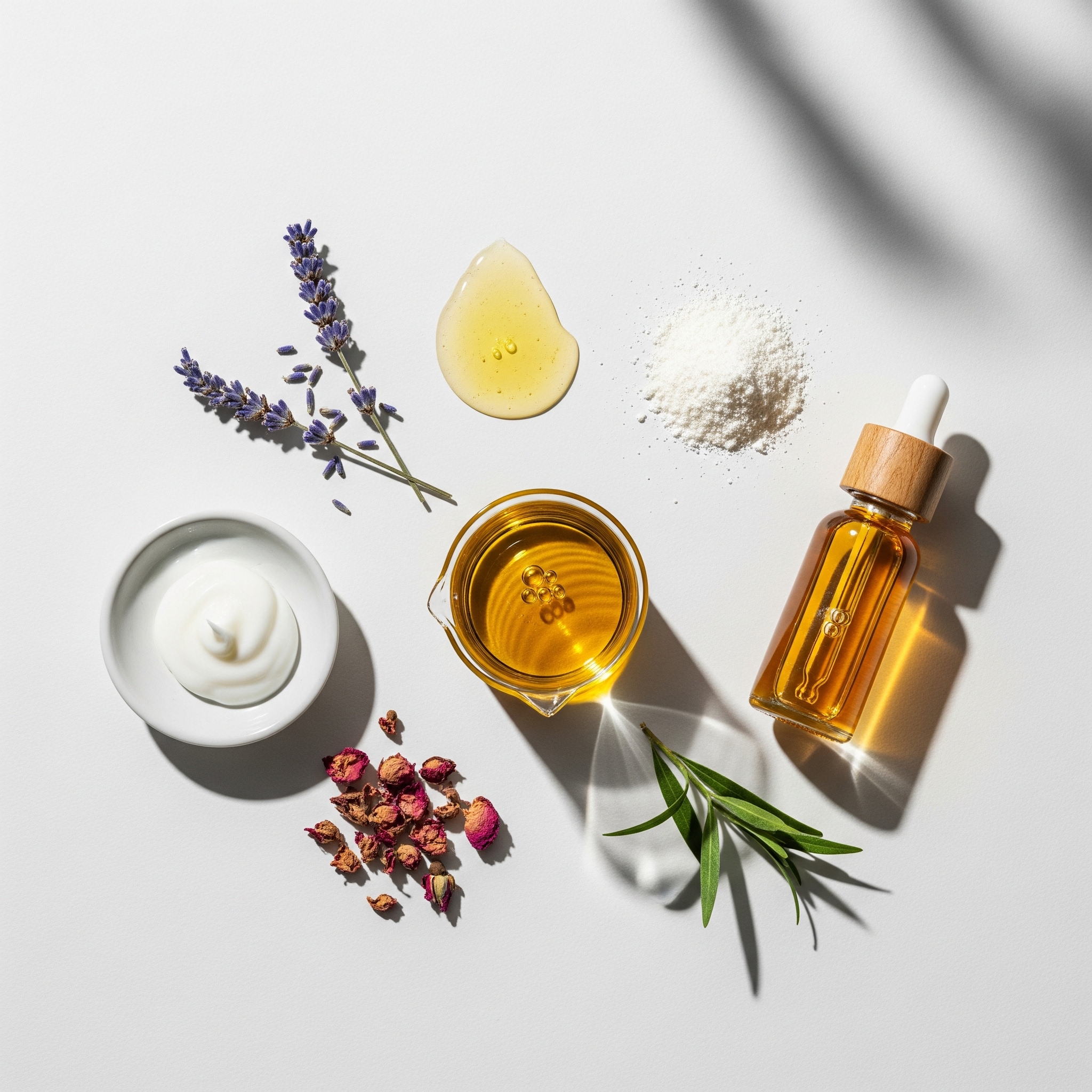
Natural DIY beauty raw materials on a white table

Start with your formula

Ingredients organised around what you make.

Explore functional ingredients selected for popular cosmetic applications.

Product sourcing

Stock your bench with ingredients that behave in real formulas.

Choose from oils, butters, waxes, powders and actives prepared for cosmetic makers who need clear specs, practical pack sizes and repeatable quality.

Cosmetic formulation ingredients arranged with oils, powders and botanicals

Ingredient notes

Made for the way formulators work.

Start small

Small pack.
Big potential.

Bench testing should be practical, not expensive.

Trial a formula with maker-friendly quantities before you commit to production volume. Compare textures, test stability, and refine with less waste.

01

Buying cosmetic raw materials

A short guide for anyone sourcing ingredients for a skincare line, whether it's a first 500-unit run or a repeat production order.

What counts as a cosmetic grade ingredient

Cosmetic grade means the material has been produced, filtered and tested to a specification suitable for leave-on or rinse-off use on skin. It is not the same as food grade or technical grade, even when the chemical name is identical. Two batches of the same botanical oil can differ in peroxide value, colour and free fatty acid content depending on how the seed was stored and pressed, which is exactly why a certificate of analysis matters more than a marketing claim on the bottle.

Reading an INCI name and a CAS number

The INCI name is the standardised name that must appear on your finished product's ingredient list. Shea butter is listed as Butyrospermum Parkii Butter; jojoba oil as Simmondsia Chinensis Seed Oil. The CAS number identifies the substance itself and is what regulators, freight forwarders and safety assessors use. Every ENAAZ listing shows both, so you can copy them straight into your label artwork and your product information file without translating anything.

How much to buy for a first formulation

Buy small and buy several. A 100 g sample of an active or a 250 g pack of a carrier oil is usually enough to run twenty or thirty bench trials, and it costs far less than discovering at 25 kg that an emulsifier drags on the skin. Once the formula is locked, move to bulk sizes, where the price per kilogram typically falls by a third or more. Keep a retained sample of every lot you formulate with; if a batch of finished product ever separates or discolours, that retain is how you find out why.

Storing oils, butters and actives

Heat, light and oxygen are what turn a good material bad. Unsaturated oils such as rosehip and evening primrose oxidise fastest and are best kept below 20 C with the headspace minimised, ideally with tocopherol added at around 0.2%. Butters tolerate room temperature but will bloom into a grainy texture if they are melted and cooled slowly, so cool them fast. Powdered actives are hygroscopic: reseal the pouch, squeeze the air out, and never scoop with a wet spatula.

Preservation is not optional

Any formula containing water needs a broad-spectrum preservative, and that includes hydrosols, aloe juice and anything with a hydrosol-based extract. Choose the preservative to suit the pH of the finished formula, then confirm it works with a challenge test rather than assuming. Antioxidants like tocopherol and rosemary extract protect the oils from going rancid but do nothing against bacteria, mould or yeast, so they are a complement to a preservative rather than a substitute for one.

Natural cosmetic raw materials arranged on a table

FAQ

Questions before you order?

Quick answers for makers comparing ingredients, documents and pack sizes.

Do products include INCI names?+

Yes. Ingredient listings are prepared with cosmetic makers in mind, including INCI names where they apply.

Can I buy small sample sizes?+

Many ingredients are available in practical smaller packs for bench trials before moving into larger production quantities.

Are COA and SDS documents available?+

Technical documents are provided where available, including COA, SDS and specification details for supported materials.

Which ingredients should beginners start with?+

Carrier oils, butters, waxes, clays and a simple preservative system are common starting points for basic cosmetic formulas.